
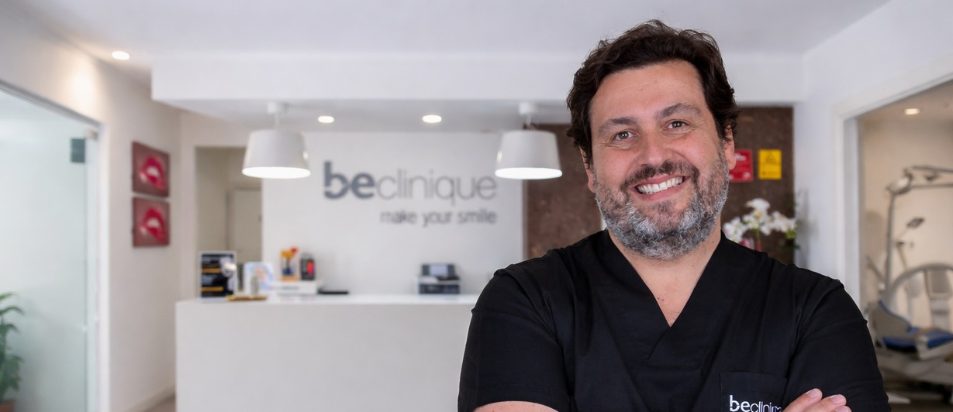
Science, Precision, and Clinical Vision
In contemporary dentistry, true excellence stems from the balance between scientific knowledge, clinical experience, and technological innovation. Modern implantology has evolved beyond a mere solution for tooth loss; it has become a highly specialized field capable of restoring function, aesthetics, and quality of life with unprecedented levels of predictability.
At beClinique, this vision is led by Prof. Dr. Dárcio Fonseca, Clinical Director dedicated exclusively to implantology and oral rehabilitation. With a solid academic background and extensive experience in highly complex cases, he devotes his practice to personalized oral rehabilitation, combining advanced digital planning, guided surgery, and minimally invasive approaches.
In this interview, we explore the evolution of dental implants, the challenges of cases deemed “unsolvable,” the impact of 3D technology on surgical precision, and the clinical philosophy behind excellence in oral rehabilitation.
1. What led you to dedicate yourself to implantology and oral rehabilitation, and how did your academic background and doctorate influence your clinical approach?
I have dedicated myself to implantology and oral rehabilitation for over 26 years. I began focusing on oral rehabilitation immediately after completing my studies in 1997, and from 2000 onwards, I also began focusing on implantology.
Early on, I realized I wanted to pursue a more specialized path within dentistry. I did not intend to practice solely as a generalist; I wanted to dedicate myself to areas that were more stimulating from both clinical and scientific perspectives. This interest led me to deepen my academic training and develop a practice increasingly focused on complex oral rehabilitation.
2. Implantology has evolved significantly in recent years. Which advances do you consider most crucial for the predictability and safety of treatments?
Implant dentistry has become increasingly predictable. Nowadays, there is far more planning prior to implant placement, as well as advanced diagnostic tools that allow for an accurate assessment of the patient’s anatomy and the selection of the most suitable solution.
Significant progress has also been observed regarding prosthetic components, which contribute to improved tissue stability and a reduced risk of implant-associated bone loss.
Furthermore, minimally invasive techniques—such as guided surgery—and new types of implants (increasingly shorter and narrower) have emerged, enabling the treatment of cases that would previously have been considered very difficult or even unfeasible.
Nowadays, there are solutions for virtually all clinical scenarios, including conventional implants and zygomatic implants, which are used in more complex situations.
Another very important advancement was immediate loading. When I first started placing implants, this approach was uncommon. Nowadays, in many cases, it is possible to place the implants and provide the patient with fixed teeth on the very same day, especially in full-arch rehabilitations.
Advances in technology, implant design, and implant surfaces have contributed significantly to this predictability. Today, we can digitally plan the entire treatment and predict the final outcome even before surgery begins.
3. For those unfamiliar with the procedure, what exactly is a dental implant, and in which clinical situations is it the most recommended solution?
A dental implant is an artificial root, typically made of titanium, that is placed in the bone to replace the root of a missing tooth.
A dental crown is placed over this artificial root; it functions as the visible tooth and restores chewing function and the aesthetics of the smile.
Implants can be used in various clinical situations:
- replacement of a single tooth;
- replacement of multiple teeth;
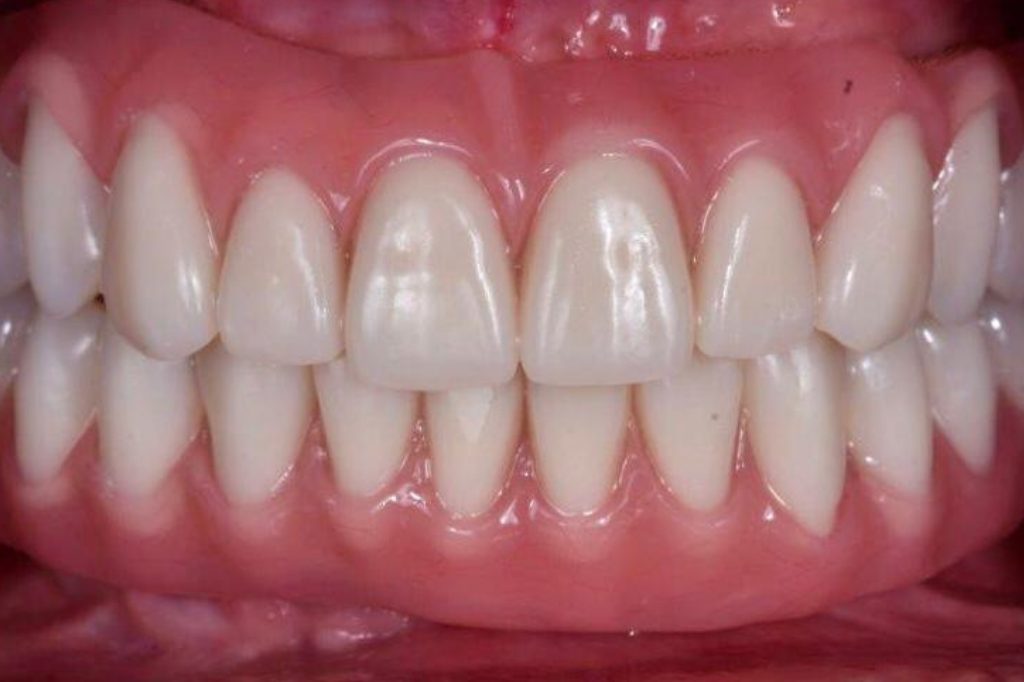
- full-mouth rehabilitation for patients who have lost all their teeth and receive an implant-supported fixed prosthesis.
4. Many patients arrive at the consultation with concerns or the belief that they “don’t have enough bone” for an implant. How does modern implantology address these challenges?
It is true that many patients arrive for their consultation with this indication, and in some cases, bone loss is indeed present. However, we now have advanced diagnostic tools that allow for a detailed analysis and study of bone anatomy prior to any intervention.
There are essentially two main approaches.
The first involves bone regeneration—which can be horizontal or vertical—allowing for the reconstruction of missing bone so that dental implants can subsequently be placed.
The second approach applies primarily to full-mouth rehabilitations and includes alternative techniques—such as the palatal approach or the use of zygomatic and pterygoid implants—that allow implants to be anchored in denser bone structures.
5. Full-mouth rehabilitation is one of the most complex areas of dentistry. How is the treatment plan structured for a case with high clinical demands?
Full-mouth rehabilitation presents a challenge that is not only functional but also aesthetic. In reality, patients do not seek implants—they seek to restore their teeth and their smile.
Therefore, planning is absolutely fundamental. The first step is digital smile design, which allows the final result to be visualized before any surgery.
Subsequently, this plan is converted into a three-dimensional model, enabling the creation of a prototype of the prosthesis. This prototype serves as a sort of mock-up, allowing for the assessment of aesthetics, function, and comfort by both the doctor and the patient.
If adjustments are necessary, they can be made at this stage. Once the prototype meets expectations, the process moves to the definitive rehabilitation with a high degree of predictability.
This way, surprises between the surgical phase and the final result are avoided.
6. For a patient seeking a permanent solution for tooth loss, what factors do you consider essential before proceeding with implant treatment?
There are several factors to consider. The first is bone availability, which determines the possible treatment options.
Furthermore, it is essential to assess the patient’s individual characteristics, such as anxiety level, expectations regarding the outcome, and the degree of case complexity.
Placing an implant in the central incisor of a 20-year-old woman is not the same situation as doing so for a 70-year-old patient. Each case requires a specific approach and a treatment plan tailored to the individual’s needs.
Conclusion Prof. Doutor Dárcio Fonseca
Implantology has evolved extraordinarily over the last few decades. However, even for professionals with many years of experience, it is essential to continue studying and evolving.
We cannot remain bound solely by the experience we have gained. It is important to keep up with new techniques, technologies, and trends in the field, while always maintaining a critical mindset.
Our accumulated experience enables us to rigorously analyze each innovation and evaluate whether a particular technique or product is truly the best solution for our patients.
Ultimately, what matters most is maintaining an unwavering commitment to continuous training, cutting-edge technology, and clinical excellence, always ensuring the best possible care for those who seek our services.
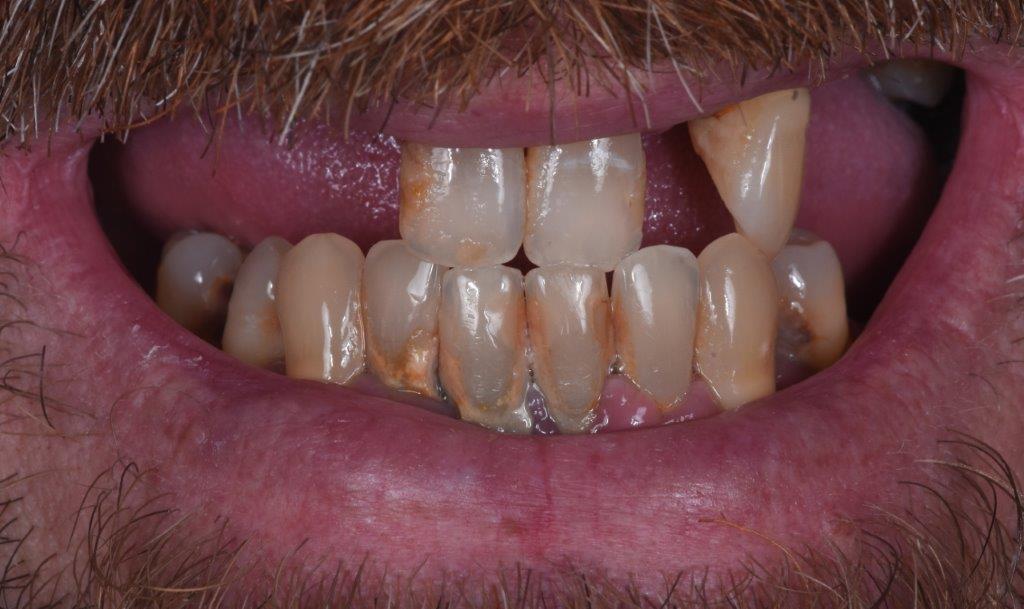
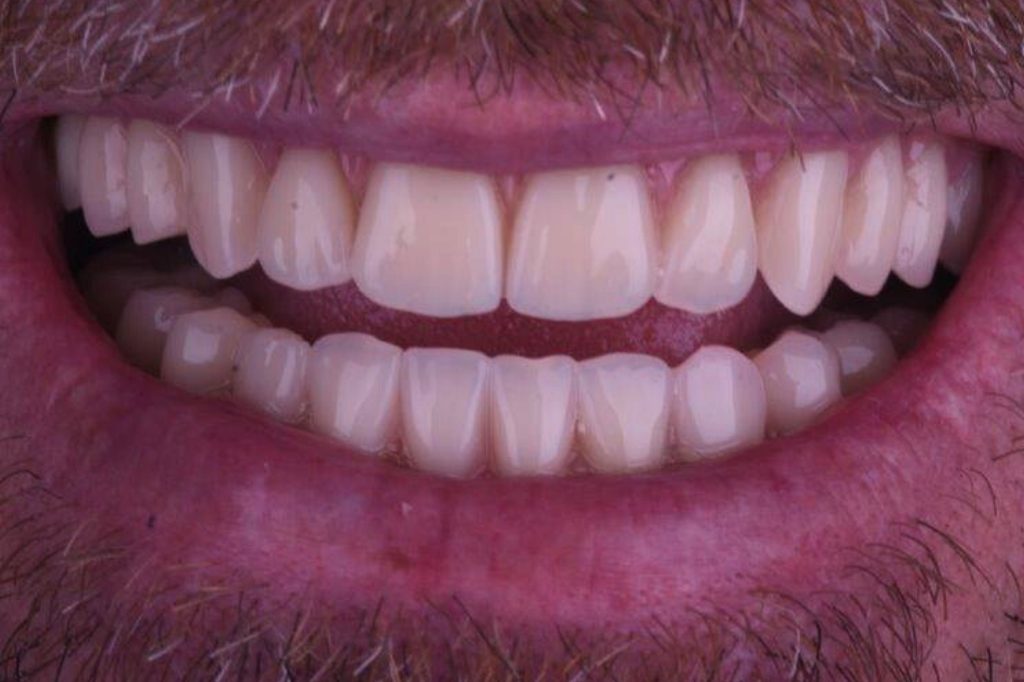
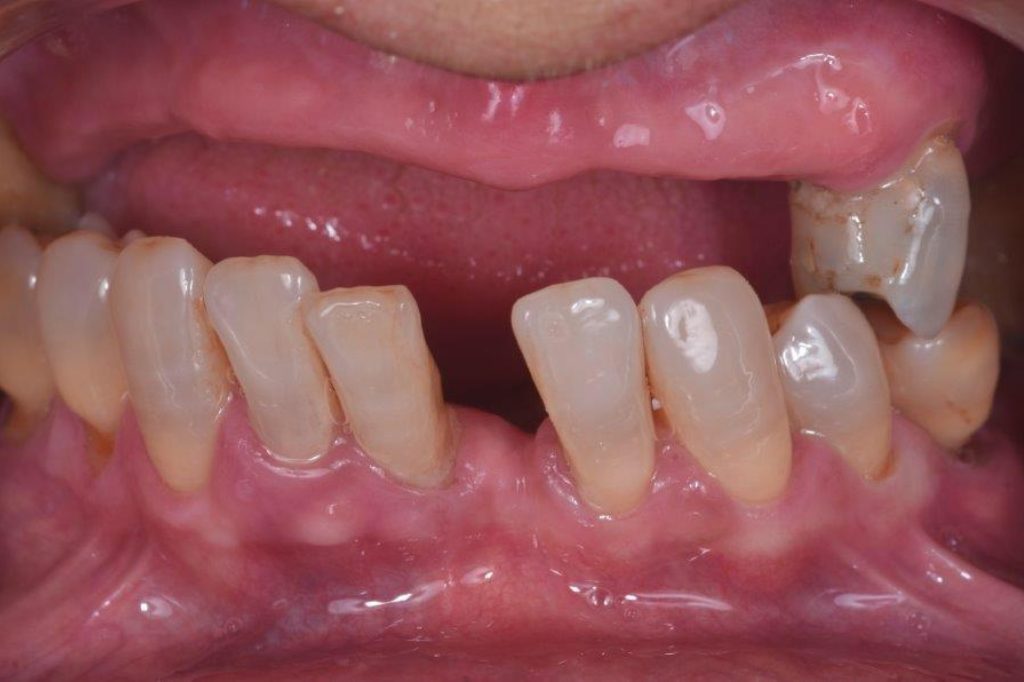
Full-Mouth Rehabilitation Cases


Recent Comments